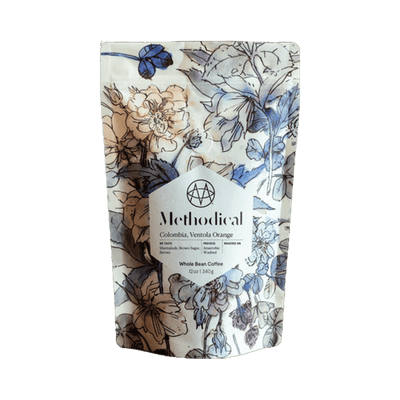
Coffee Beans With Tropical Fruit Flavor Notes
Find coffee beans with tropical fruit flavor notes from roasters including Onyx Coffee Lab, Olympia Coffee Roasting, and Camber Coffee. This selection includes blends, espresso options, and decaf. Compare individual tasting notes to choose a fruit-forward profile that matches your preferences.
Best Sellers
FAQs
Tropical fruit notes describe flavors and aromas reminiscent of mango, pineapple, passion fruit, or papaya. They usually reflect the coffee’s variety, growing conditions, processing, and roast—not added fruit. Check the label or roaster’s description to distinguish tasting notes from added flavorings.
Light to medium roasts often preserve the bright acidity and delicate aromas associated with tropical fruit. Darker roasts tend to emphasize roast-driven flavors that can overshadow those details. Look for beans with specific tropical fruit tasting notes rather than relying on roast level alone.
Natural processing, which dries coffee seeds inside the whole cherry, can emphasize ripe, fruit-forward flavors. Some anaerobic fermentation methods can also develop pronounced tropical aromas. Washed coffees may offer a cleaner, more defined fruit character. Processing provides useful clues, but it doesn’t guarantee a particular flavor.
A pour-over brewer with a paper filter can highlight flavor clarity, making individual fruit notes easier to distinguish. A drip coffee maker with stable brewing temperatures is another great option. Pair either with a burr grinder for consistent grounds and better control over extraction.
Bright acidity can be part of the coffee’s character, but sharp sourness paired with a thin cup may indicate underextraction. Try grinding slightly finer or increasing your brewing temperature within your equipment’s recommended range. Change one setting at a time and taste again, aiming for balanced acidity and sweetness.