Espresso Grinders With Anti-Static Technology
Best Sellers
FAQs
Designs vary by grinder. Active systems use powered components, such as ionizers, to manage electrical charge near the grounds chute. Passive designs use conductive materials or grounding paths. Check the manufacturer's specifications to learn which approach a grinder uses.
Follow the manufacturer's cleaning schedule and use the recommended tools for the burr chamber and grounds chute. Ionizer pins or electrodes may require a specific cleaning method, so check the manual before brushing those components. Include the chute in your regular maintenance routine.
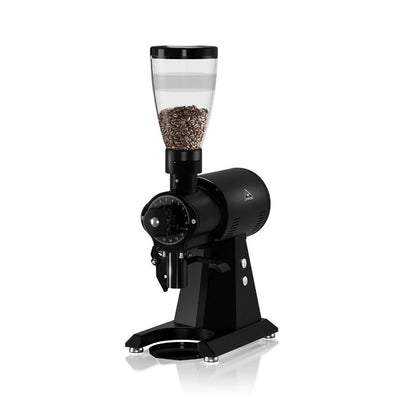
You'll find anti-static technology in both single-dose and hopper-fed grinders. Single-dose models let you weigh beans before each grind, while hopper-fed models store beans for repeated use. Choose a grinder designed for your preferred workflow; the anti-static feature alone doesn't determine how you load beans.
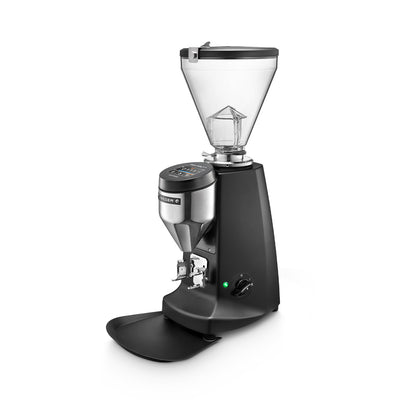
Depending on the model, dosing controls may include manual operation, timed grinding, or grind-by-weight functionality. Manual operation puts you in charge of when grinding stops. Timed dosing runs for a preset duration, while grind-by-weight models use a scale to measure the dose during grinding.
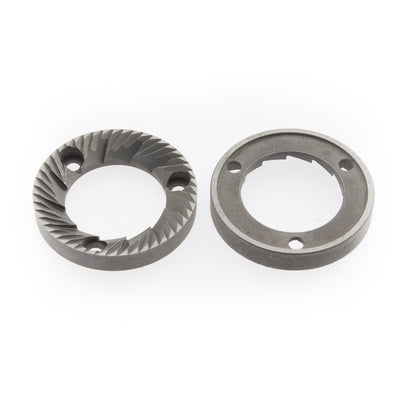
Either type can be paired with anti-static technology. Burr geometry and static-management features are separate parts of a grinder's design. When comparing options, look at the burr type, adjustment controls, dosing workflow, and cleaning access to find a setup that fits your home espresso routine.