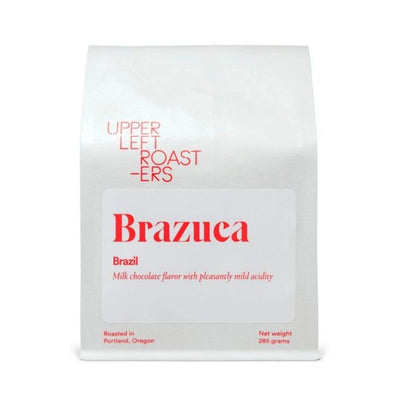
Single Origin Espresso Coffee Beans
Best Sellers
FAQs
Single origin espresso coffee beans come from one identified place, such as a country, region, farm, or cooperative, rather than a blend of origins. They let you explore how growing conditions, coffee varieties, and processing methods shape flavor. Single origin does not describe a roast level, so these beans can range from light to dark.
Choose a medium roast for a balance of sweetness, body, and acidity. Light roasts often highlight fruit and floral notes, while darker roasts emphasize deeper, roast-forward flavors and lower perceived acidity. Check the tasting notes alongside the roast level to find beans that match what you enjoy.
Start with the roaster's brewing guidance and use an espresso-capable burr grinder. Keep your coffee dose consistent, then adjust the grind setting in small steps while tasting each shot. Change one variable at a time, and expect to adjust your settings when switching origins or opening a new bag.
Sharp sourness can point to underextraction, while harsh bitterness can indicate overextraction. Try a slightly finer grind for sour shots or a slightly coarser grind for bitter shots, keeping other settings consistent. Uneven extraction can also cause both flavors, so distribute the grounds evenly and tamp level. Remember that some origins naturally have bright, fruity acidity.
Keep whole beans in an airtight container or a well-sealed coffee bag, away from heat, light, and moisture. Grind just before brewing to preserve aroma and flavor. Follow the roaster's resting guidance, too: very freshly roasted beans can release enough gas to make espresso extraction less consistent.